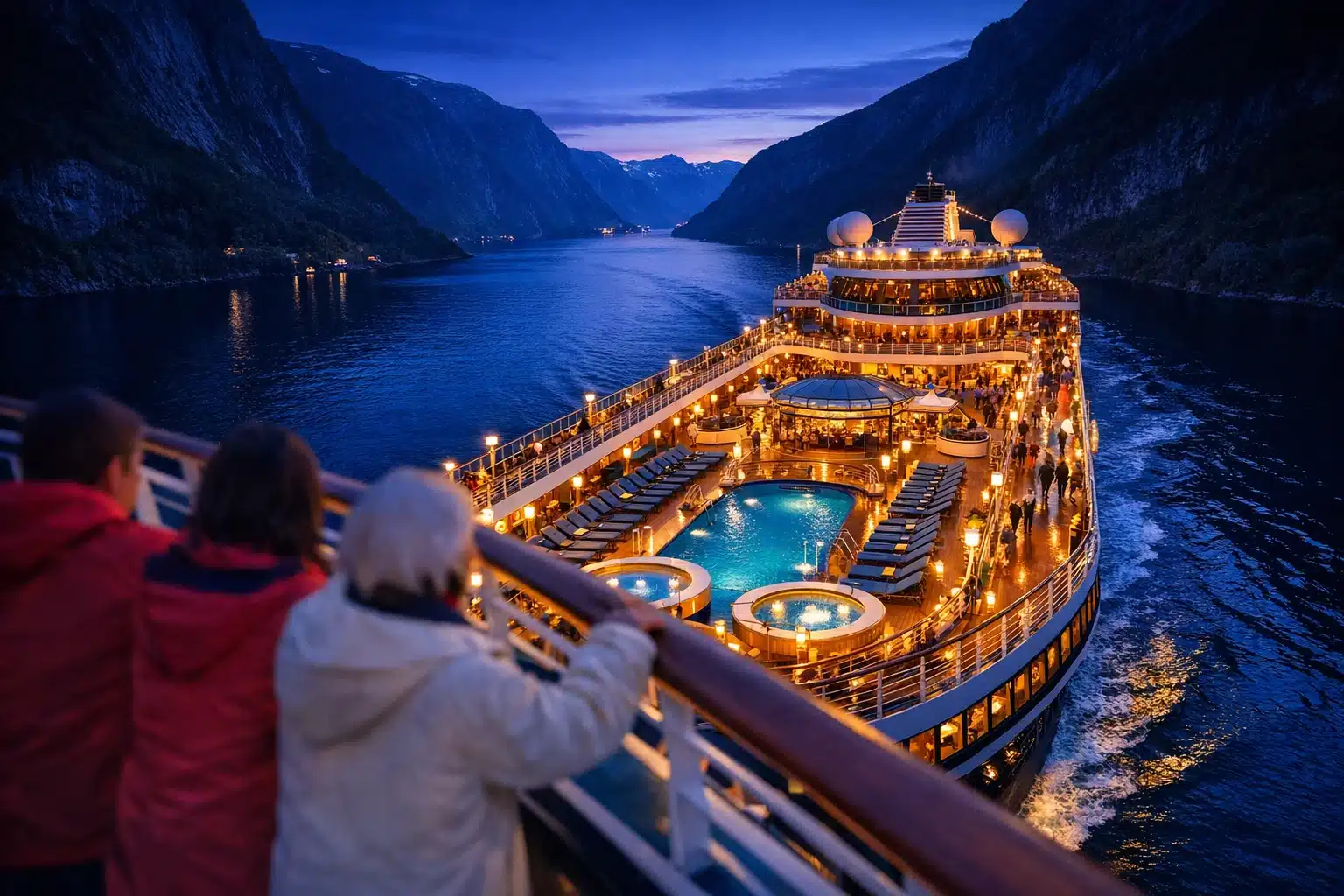
 Artificially generated image
 8-Night Cruise From Newcastle: Itinerary and Travel Tips
Outline and Why an 8-Night Cruise From Newcastle Stands Out
An 8-night cruise from Newcastle offers a rare mix of convenience and discovery: you can leave from North East England and wake up days later beside fjords, Scandinavian quays, or windswept North Sea ports. That matters for travellers who want a proper holiday without the extra friction of flights and airport stopovers. It is also a practical choice for families, older couples, and first-time cruisers who value an easier start. In the sections below, you will find a clear outline, common route patterns, budgeting advice, and realistic tips for making the trip smoother.
One reason these voyages remain appealing is geography. Newcastle, usually served through the Port of Tyne terminal in North Shields, sits in a useful position for Northern European cruising. Ships can head north toward Norway, west toward Scottish and Irish ports, or south across the North Sea toward continental cities. That range gives cruise lines flexibility, and it gives passengers options without requiring a long-haul commitment. Eight nights is also a sweet spot in cruise planning. It feels substantially longer than a mini break, but it is still manageable for travellers who cannot spare two full weeks.
For many people, departing from Newcastle changes the emotional rhythm of a trip. Instead of rushing through an airport at dawn, you begin with a rail journey, a car ride, or perhaps an overnight hotel stay near the quay. There is something pleasingly old-fashioned about seeing luggage disappear into the terminal and knowing that your floating hotel is already waiting. The practical advantage is just as important: fewer transfers usually mean less stress, lower ancillary costs, and less chance of delays disrupting the first day of the holiday.
Here is the outline this article follows:
- Why Newcastle works well as an embarkation point for an 8-night cruise
- The most common itinerary styles, including fjords and Northern Europe routes
- What daily life on board typically looks like, from cabins to sea-day routines
- How to budget, book smartly, and pack for changeable weather
- Final advice for first-time cruisers and returning passengers choosing this departure port
This topic is relevant because cruise demand from regional UK ports has grown as travellers look for simpler departures and better value. An 8-night itinerary from Newcastle is not only about where the ship goes; it is also about who benefits from the format. It suits people in northern England and southern Scotland, but it can also work for anyone who values a more grounded start to a European voyage. If you are curious about whether this kind of sailing fits your pace, budget, or travel style, the next sections break it down in practical terms.
Typical 8-Night Itineraries From Newcastle: What the Route Usually Looks Like
No single 8-night cruise from Newcastle follows one universal map, but most itineraries fall into a few recognizable patterns. The most popular is the Norwegian fjords route, because the sailing distance is manageable and the scenery delivers immediate visual impact. On these trips, passengers may visit ports such as Stavanger, Olden, Flam, Alesund, or Bergen, often combined with one or two scenic cruising stretches through narrow waterways. These sailings are especially attractive in late spring and summer, when daylight lingers and the landscape feels almost theatrical: green cliffs, silver waterfalls, and small settlements that look as though they were carefully placed for a painter rather than a timetable.
A second common pattern focuses on Northern European port cities. Depending on the cruise line and exact schedule, this can include calls in places such as Amsterdam via IJmuiden, Rotterdam, Zeebrugge for Bruges, or German ports connected to Hamburg and the Kiel region. These routes usually trade some natural drama for urban variety. They appeal to travellers who enjoy museums, canals, architecture, and the easy pleasure of stepping ashore for coffee and a walk without needing a long coach journey inland. In practical terms, city-focused itineraries can feel more independent, because many ports support do-it-yourself sightseeing well.
A third, less predictable pattern is a British Isles or mixed North Sea itinerary. This might include stops in Scotland, Northern Ireland, or the islands, combined with a sea day or two. These routes can be excellent for travellers who prefer shorter transit times between ports and want a gentler introduction to cruising. They also reduce the pressure to “see everything,” which is sometimes the hidden drawback of more ambitious European schedules.
- Fjord itineraries are strongest for scenery, deck time, and photography
- City itineraries are ideal for culture, shopping, and easy self-guided days ashore
- British Isles style routes often suit travellers seeking a more relaxed pace
In terms of structure, an 8-night cruise often includes between three and five port calls, plus sea days. That balance matters. Too many ports can make a holiday feel like a commute with buffet access; too few can leave passengers wondering whether they paid mainly to walk in circles around a sundeck. Eight nights usually lands somewhere more satisfying. You have time to settle into the ship, learn the layout, test your favourite breakfast spot, and still feel the novelty of each destination. It is also long enough for weather variation to become part of the story. One day might bring bright sun on deck, and the next can wrap the horizon in mist, giving the whole voyage a North Sea mood that feels cinematic rather than inconvenient if you are prepared for it.
When comparing itineraries, look beyond the destination names. Check port arrival times, the number of sea days, whether scenic cruising is included, and how far major attractions are from the dock. A stop may sound glamorous on paper but involve a long transfer in practice. The smartest choice is often not the itinerary with the longest list of places, but the one whose rhythm matches how you actually like to travel.
Life On Board: Cabins, Dining, Entertainment, and the Rhythm of Sea Days
An 8-night cruise is long enough for the ship to become more than transport. After the first day or two, life on board develops its own logic, and understanding that rhythm can help travellers choose the right line, cabin, and routine. The first decision usually concerns accommodation. Interior cabins are the most budget-friendly and can work surprisingly well for passengers who treat the room mainly as a place to sleep and shower. Ocean-view cabins bring natural light, which many people appreciate on northern sailings where weather and daylight shape the mood of the trip. Balcony cabins cost more, but for fjord routes in particular they can be rewarding, because you can watch sail-ins, waterfalls, and coastal villages in relative quiet without competing for rail space on the upper decks.
Dining is another major part of the experience, and this is where cruise lines often differ more than brochures suggest. Main dining rooms provide structure and table service, while buffet venues offer flexibility and speed. Specialty restaurants may add steak, seafood, Asian cuisine, or chef-led menus for an extra fee. On an 8-night trip, the variety starts to matter. A two-night cruise can coast on novelty alone, but after nearly a week at sea, passengers notice quality, consistency, and how well the line handles dietary needs. Families may value quick options and longer buffet hours, while couples might care more about quieter evening spaces and thoughtful service.
Entertainment also shapes the onboard atmosphere. Larger ships tend to offer theatre shows, live music, quizzes, cinema screenings, spa packages, kids’ clubs, and activity programmes that stretch from early morning to late night. Smaller or older vessels may provide a calmer social scene centred on lounges, talks, and deck watching. Neither style is inherently better. The right choice depends on whether you want your sea day to feel like a resort schedule or a slower drifting day with a book, a coffee, and regular glances toward the horizon.
Sea days deserve special mention because they are often misunderstood by first-time cruisers. People who worry they will be bored usually discover the opposite: these are the days when you finally stop managing the holiday and start living it. You can have breakfast without checking a map, attend a lecture, try afternoon tea, or simply claim a window seat and watch weather move across the water. That said, the North Sea and surrounding waters can sometimes feel lively underfoot. If you are sensitive to motion, choose a mid-ship cabin on a lower or central deck, bring suitable remedies, and avoid assuming that every sailing will be glassy calm.
The emotional arc of shipboard life is part of the appeal. By night three, staff often recognize your preferences, familiar corners emerge, and the vessel begins to feel like a temporary town with better views. That sense of contained, floating routine is one reason many travellers return to cruising after their first well-chosen itinerary.
Booking, Budgeting, and Packing: How to Prepare Without Guesswork
The headline cruise fare is only the starting point, so a realistic budget matters if you want the holiday to feel relaxed rather than full of small financial surprises. For an 8-night cruise from Newcastle, total spend can vary widely depending on season, cabin type, cruise line, and how many extras you buy on board. Shoulder-season departures can offer stronger value than peak summer weeks, especially for travellers who care more about itinerary and atmosphere than guaranteed sun. However, the cheapest fare is not automatically the best deal. Once you add drinks, gratuities, Wi-Fi, parking, excursions, and speciality dining, a slightly higher all-inclusive or better-packaged option may work out more sensibly.
As a broad planning framework, travellers should think in layers of cost. The base fare covers the cabin, main meals, and core entertainment. Then come the variable expenses. Shore excursions can range from modest walking tours to premium full-day outings. Daily service charges, where applied, often add a noticeable amount over eight nights. Drinks packages can be worthwhile for some passengers, but not for everyone. If you mostly drink tea, water, and the occasional glass of wine, paying as you go may be more economical. The same principle applies to internet packages and spa access: buy them because you will use them, not because they were presented persuasively during booking.
- Check whether port taxes and gratuities are included before comparing prices
- Read the drinks policy carefully, especially for coffee, bottled water, and soft drinks
- Look at excursion distances and durations before committing to every port tour
- Factor in transport to the Port of Tyne, parking, or a pre-cruise hotel stay
Packing for this kind of sailing is less about glamour and more about range. Weather on northern routes can shift quickly, sometimes within a single afternoon. Layering is the key principle. A waterproof outer layer, comfortable walking shoes, warm mid-layers, and a scarf or hat can be more useful than bulky cold-weather gear. Even in summer, early deck time can be brisk. If your cruise line still uses formal or smart evenings, check the dress guidance in advance. Many lines have relaxed over the years, but expectations still vary.
A practical packing list often includes medication, motion-sickness remedies, a power adapter, swimwear for spas or indoor pools, and a small day bag for shore visits. Bring printed essentials or offline copies of documents in case mobile signal is weak at the terminal. It is also wise to pack one change of clothes and key toiletries in hand luggage, since checked suitcases may reach your cabin later in the day. Think like a calm traveller rather than an optimistic gambler. If you prepare for drizzle, queues, and changing plans, you are more likely to enjoy the moments when everything turns bright, smooth, and unexpectedly easy.
Conclusion for Travellers: Smart Tips Before You Sail From Newcastle
An 8-night cruise from Newcastle can be a very good fit for travellers who want a proper holiday without the extra complexity of flying. It particularly suits people living in northern England or southern Scotland, but its appeal is broader than geography alone. First-time cruisers often appreciate the manageable length, returning passengers like the efficiency of a regional departure, and multigenerational groups benefit from a trip style that can accommodate different energy levels. Grandparents can enjoy scenic cruising, teenagers can find entertainment on board, and couples can shape the voyage around either quiet deck time or active port days. That flexibility is one of the format’s strongest selling points.
The best final advice is to match the cruise to your habits, not your travel fantasies. If you genuinely love dramatic landscapes and slower reflective moments, choose a fjords itinerary and consider a balcony if the budget allows. If you prefer museums, cafés, and compact urban sightseeing, a Northern Europe city route may be the better match. If you are unsure how much you will enjoy sea days, read the ship information as closely as the port list. A well-equipped vessel can transform transit days into some of the most enjoyable parts of the trip.
A few practical tips are worth keeping in mind right up to departure:
- Arrive with extra time, even if you live within driving distance of the port
- Label luggage clearly and keep medicines, passports, and valuables with you
- Book only the excursions you truly want, leaving room for independent wandering where practical
- Attend the first-day safety briefing and learn the ship layout early
- Watch the daily schedule, because many worthwhile activities are easy to miss
There is also value in adjusting expectations. Cruises are not purely about ticking off destinations, and they are not identical to land-based touring. They are a blended experience: part transport, part hotel, part social space, part moving viewpoint. When that balance suits your personality, the holiday can feel remarkably smooth. The ship carries the logistics, and you are left to decide whether the day calls for a shore excursion, a second coffee, or an hour spent looking at dark water and distant coastlines.
For travellers considering this route, the verdict is simple. An 8-night cruise from Newcastle is relevant because it combines convenience, manageable duration, and access to memorable Northern European scenery and culture. Choose carefully, budget honestly, pack for variety, and treat the itinerary as a rhythm rather than a checklist. If you do that, the trip has every chance of feeling less like a complicated travel project and more like what a holiday should be: restorative, interesting, and easy to look forward to.